
At Meta, I worked as a Senior Product Designer on Facebook Dating, focusing on one of the most important moments in the product: the preferences experience. This is where people teach the system what they’re looking for—distance, lifestyle, values, age range, and relationship intent. The opportunity was to make preferences feel less like a static filter page and more like an intelligent layer that actively improved match quality over time.
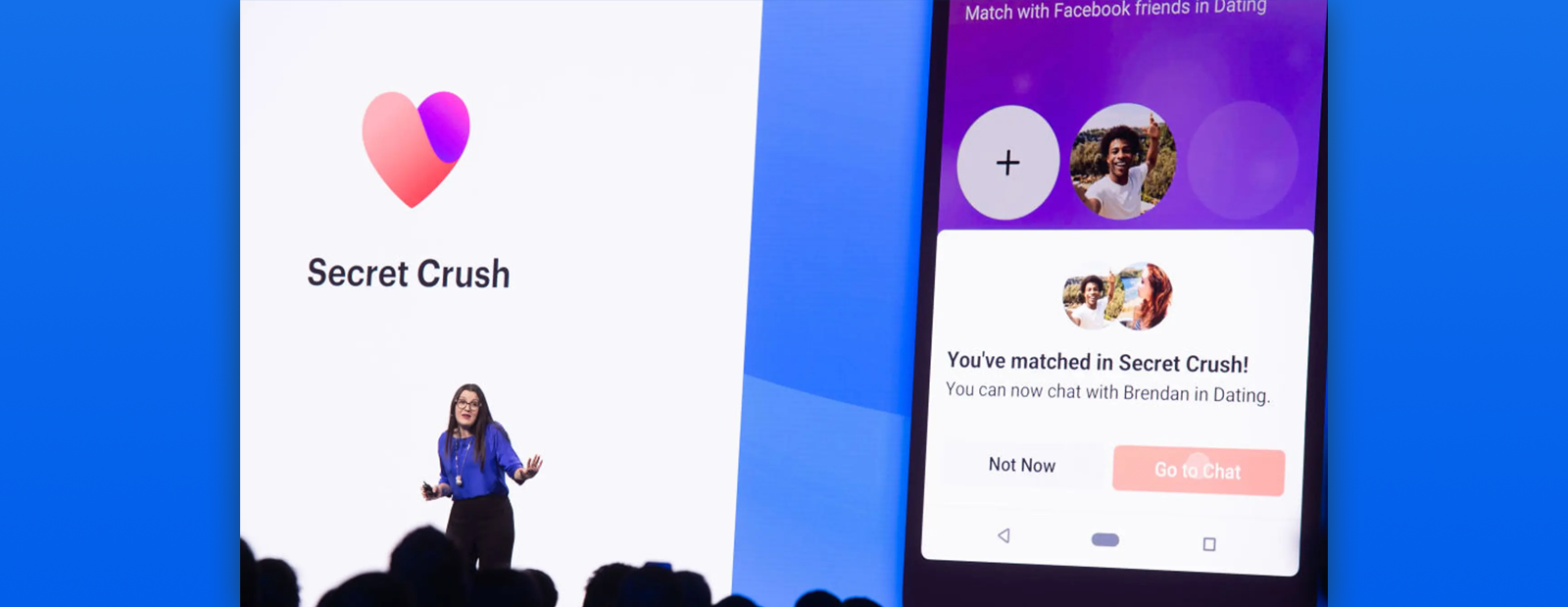
I led design for a new AI-assisted preferences system that helped translate explicit choices and in-product behavior into better candidate recommendations. Instead of relying only on what someone manually selected, the experience used model-driven signals to better understand what they consistently responded to, skipped, revisited, or engaged with. My role was designing how that intelligence surfaced in a way that felt trustworthy, clear, and still gave people a sense of control over their dating outcomes.
Airbnb HQ ♥ 888 brannan, San Francisco, CA
A key part of the work was balancing human intent with machine learning confidence. People often say they want one thing, but their behavior reveals a more nuanced pattern. I designed ways for the system to gently refine recommendations based on those emerging signals, improving the quality of suggested profiles without making the product feel mysterious or invasive. The goal was simple: help people spend less time tuning filters and more time seeing people they were genuinely excited to meet.
From a product perspective, this shifted preferences from a one-time setup task into a living decision model. As the AI became more confident, the recommendations became more relevant, which improved session quality and increased the likelihood of meaningful conversations. The work strengthened the connection between user intent, model learning, and downstream match outcomes.
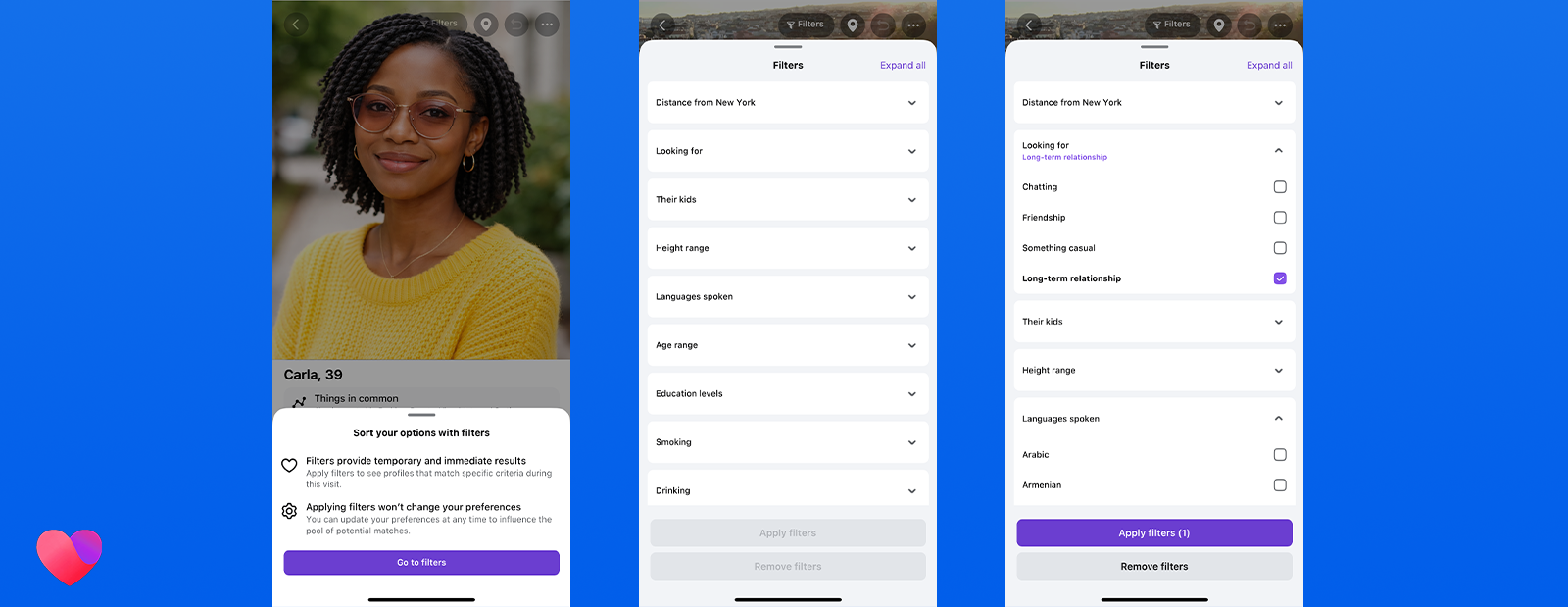
Preferences Experience
What makes this project stand out is how invisible the intelligence feels. The design doesn’t ask people to understand the model—it simply helps the product get better at understanding them. It’s a strong example of how I approach AI product design: turning complex behavioral systems into simple, human-centered experiences that quietly improve decision quality and create better outcomes over time.
The business impact showed up in CDAU (Conversations per Daily Active User). As preference signals became stronger and the models grew better at learning from both stated intent and real behavior, people were consistently shown more relevant candidates earlier in their sessions. Better candidate quality naturally led to more profile actions, higher match confidence, and ultimately more conversations started per daily active user. By turning preferences into a continuously improving learning system, the work directly strengthened the product’s ability to create higher-quality conversations at scale.

I’m a digital creative with 15 years experience hopping between San Francisco and New York.
Proficient in Illustrator, Photoshop, Figma, and Premiere. Native speaker of all things front end.
Skillsets focused in UX/UI, product design, branding & illustration, and front-end development with an expertise in responsive code. I also dabble in video/audio editing.
I'm an ice cream swirl of strong communication and limitless creativity which culminates in a tasty experience catered to the right audience.
Outside of my design work, my passions are piloting airplanes, working on my chop at table tennis, engaging in various design activities, and riding my Vespa.
